What Should You Expect During A Tree Service Site Inspection?
A tree service site inspection is the essential first step in ensuring the longevity of your landscape and the safety of your home. Rather than just a quick walkthrough, this visit allows an expert to evaluate the biological and structural needs of your canopy.
Understanding what occurs during this meeting helps you ask the right questions and prepare your property for the work ahead. By investing time in a thorough inspection, you prevent costly emergencies and ensure your greenery thrives for years to come.
Evaluating Tree Health and Vitality
The primary goal of any inspection is to determine the current health of your trees by looking for signs of stress or disease. An estimator will examine the foliage, bark, and root flare to identify any underlying biological issues that might not be visible to the untrained eye.
- Check for discolored leaves or premature needle drop, which often signal nutrient deficiencies.
- Look for fungal growth or "conks" at the base of the trunk that indicate internal rot.
- Examine the bark for exit holes from boring insects or deep vertical cracks.
- Assess the growth patterns to see if the tree is putting on enough new wood each season.
Identifying these problems early can mean the difference between a simple treatment and a total removal. A healthy tree is far more resilient against the harsh weather and pests common in American landscapes.
Structural Integrity and Risk Assessment
Beyond health, the inspector must evaluate how the tree is built and whether it poses a physical threat to your property. This involves looking at the lean of the trunk and the strength of the branch attachments to predict how the tree might behave during a storm.
- Identify "included bark" in V-shaped unions, which are prone to splitting under heavy wind or snow.
- Search for deadwood in the upper canopy that could fall and damage your roof or vehicles.
- Evaluate the lean of the tree to determine if it is a natural growth pattern or a sign of root failure.
- Check for cavities or hollow spots in the trunk that compromise the tree's strength.
Safety is the top priority during this phase of the site visit. Structural pruning or cabling can often mitigate these risks, keeping your home safe without sacrificing your shade.
Property Logistics and Equipment Access
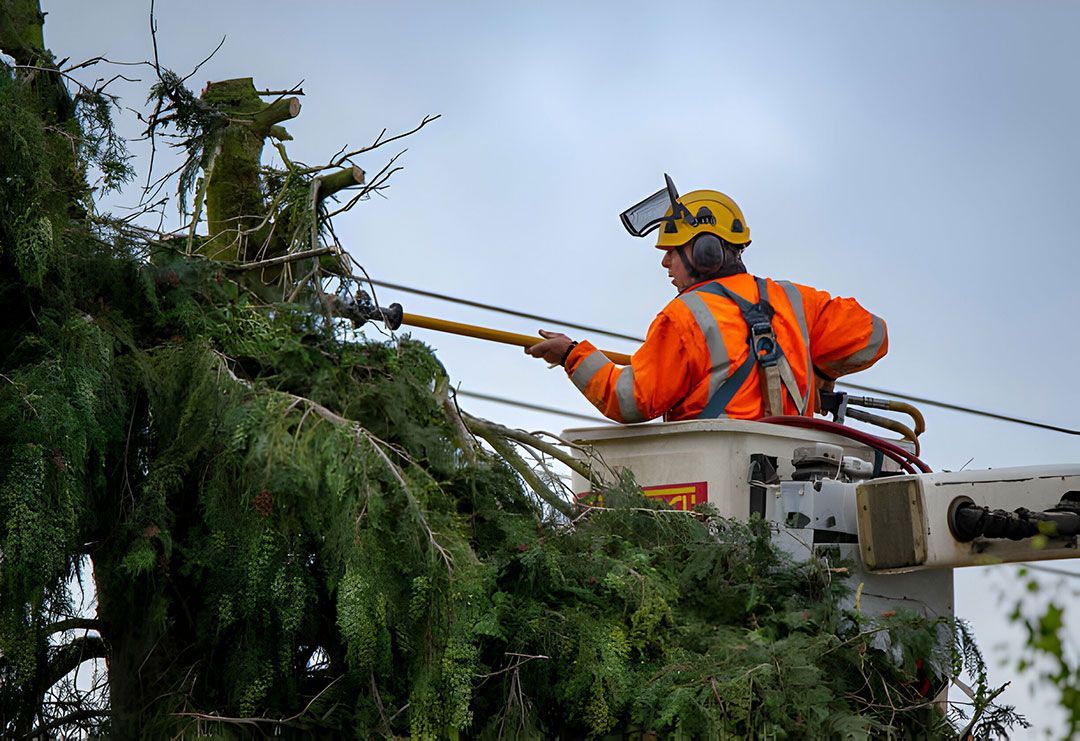
A vital but often overlooked part of the inspection is determining how the crew will actually perform the work. The estimator will map out the best routes for heavy machinery and identify any obstacles that could complicate the job.
- Locate underground utility lines, septic tanks, or irrigation systems that equipment shouldn't drive over.
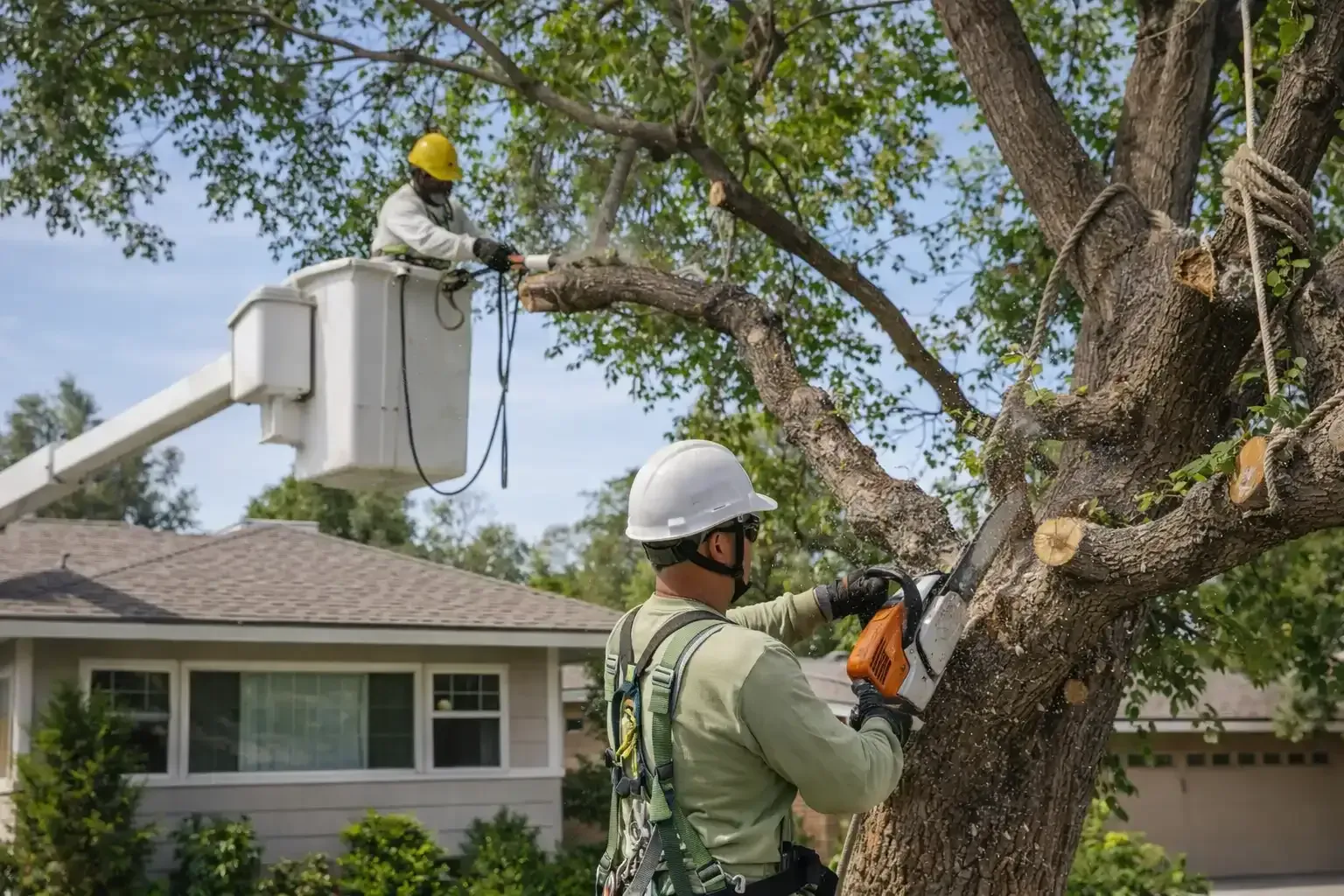
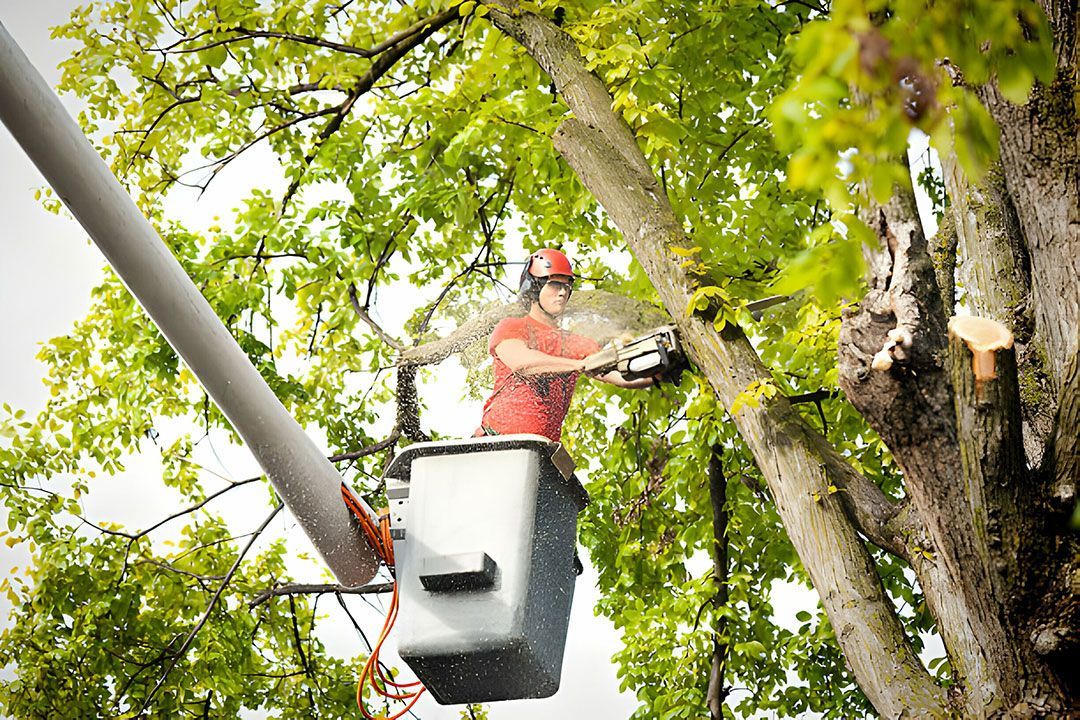
- Check the width of gates and side yards to see if a bucket truck or spider lift can fit.
- Identify overhead power lines that require special safety clearance or coordination with the utility company.
- Point out delicate landscaping or lawn ornaments that need to be moved or protected during the process.
Clear communication about your property's layout prevents accidental damage to your lawn or structures. Knowing the logistics upfront allows for a much smoother and more efficient service day.
Discussion of Goals and Custom Solutions
The inspection is a collaborative process where your personal goals for your yard meet the expert's technical knowledge. Whether you want more sunlight for your lawn or a better view of the horizon, this is the time to define the scope of work.
- Specify which branches are rubbing against your siding or overhanging your pool area.
- Discuss "crown thinning" if you want to reduce wind resistance and increase light penetration.
- Request an evaluation of young trees that may need structural training for future growth.
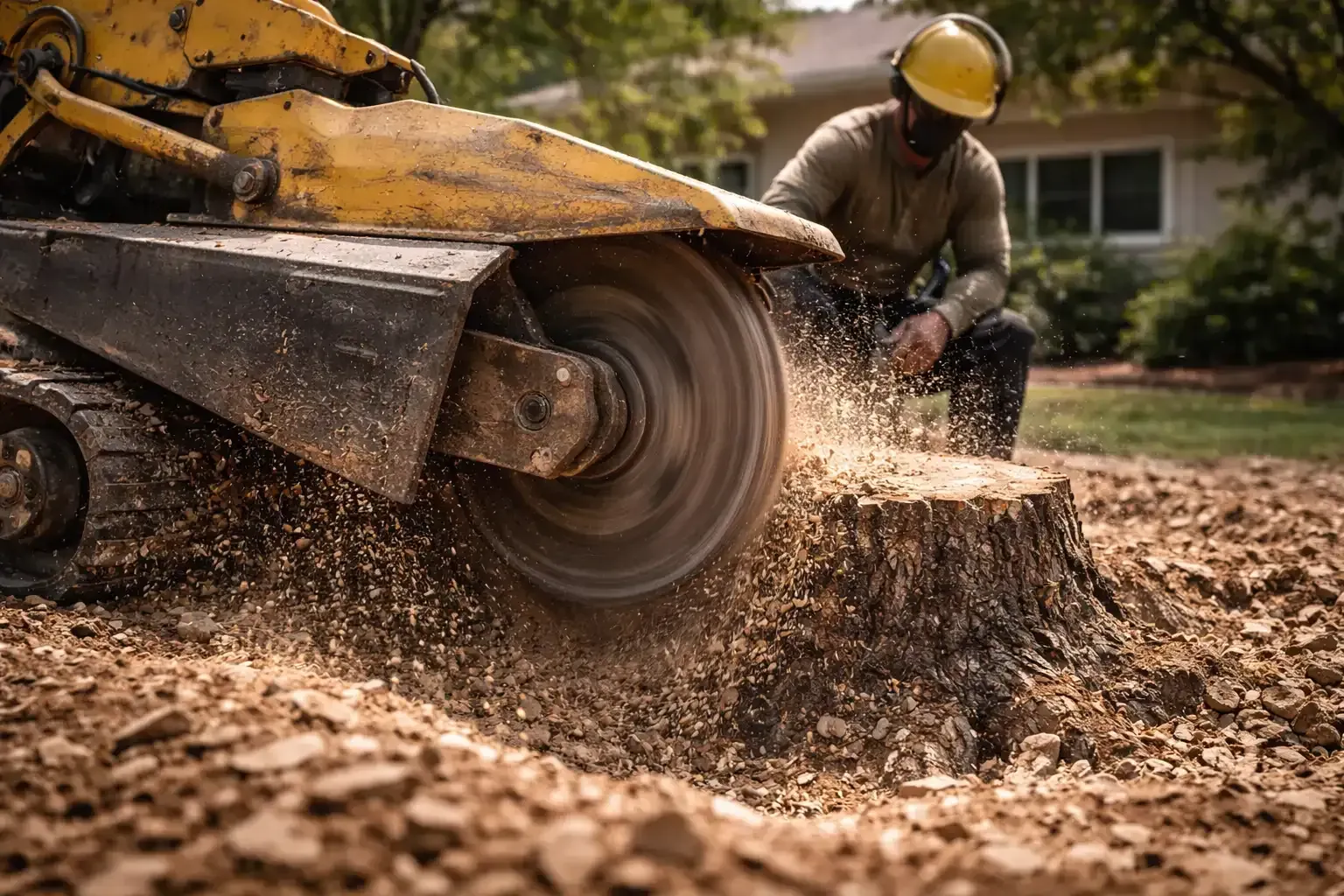
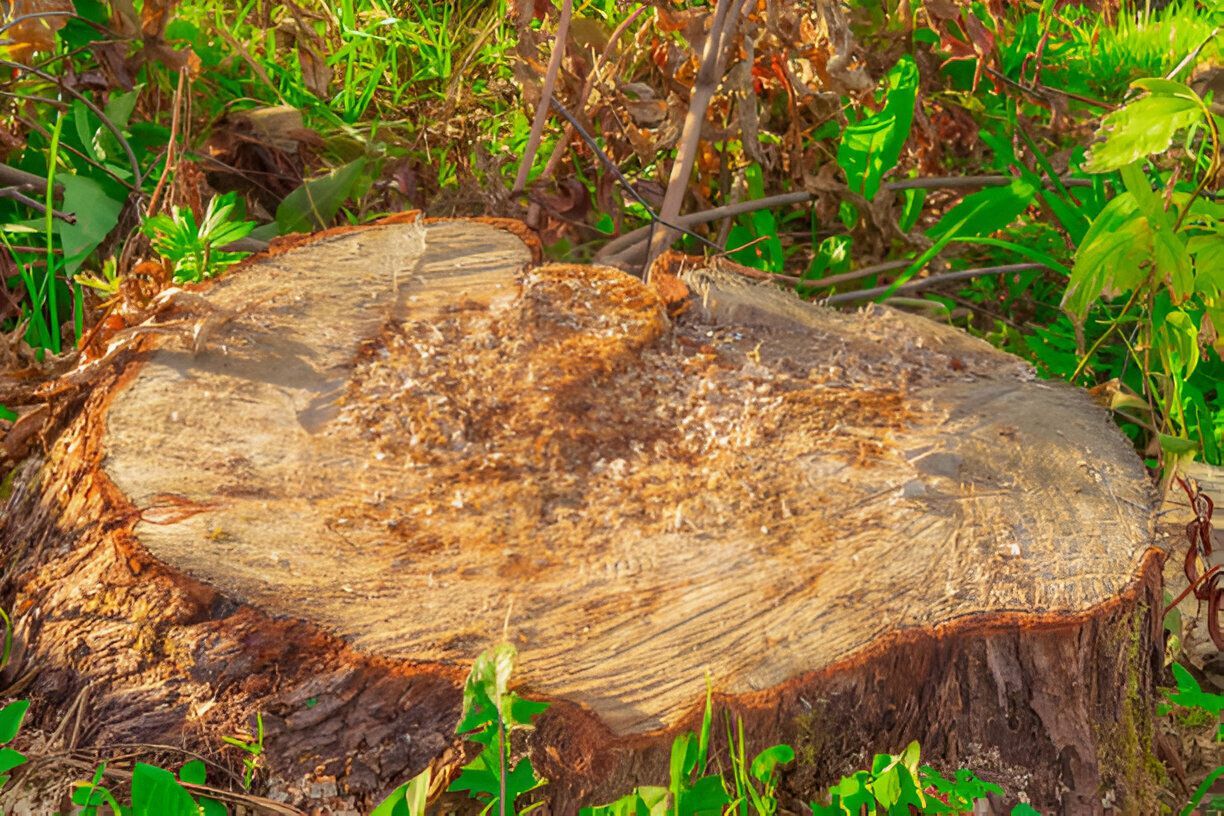
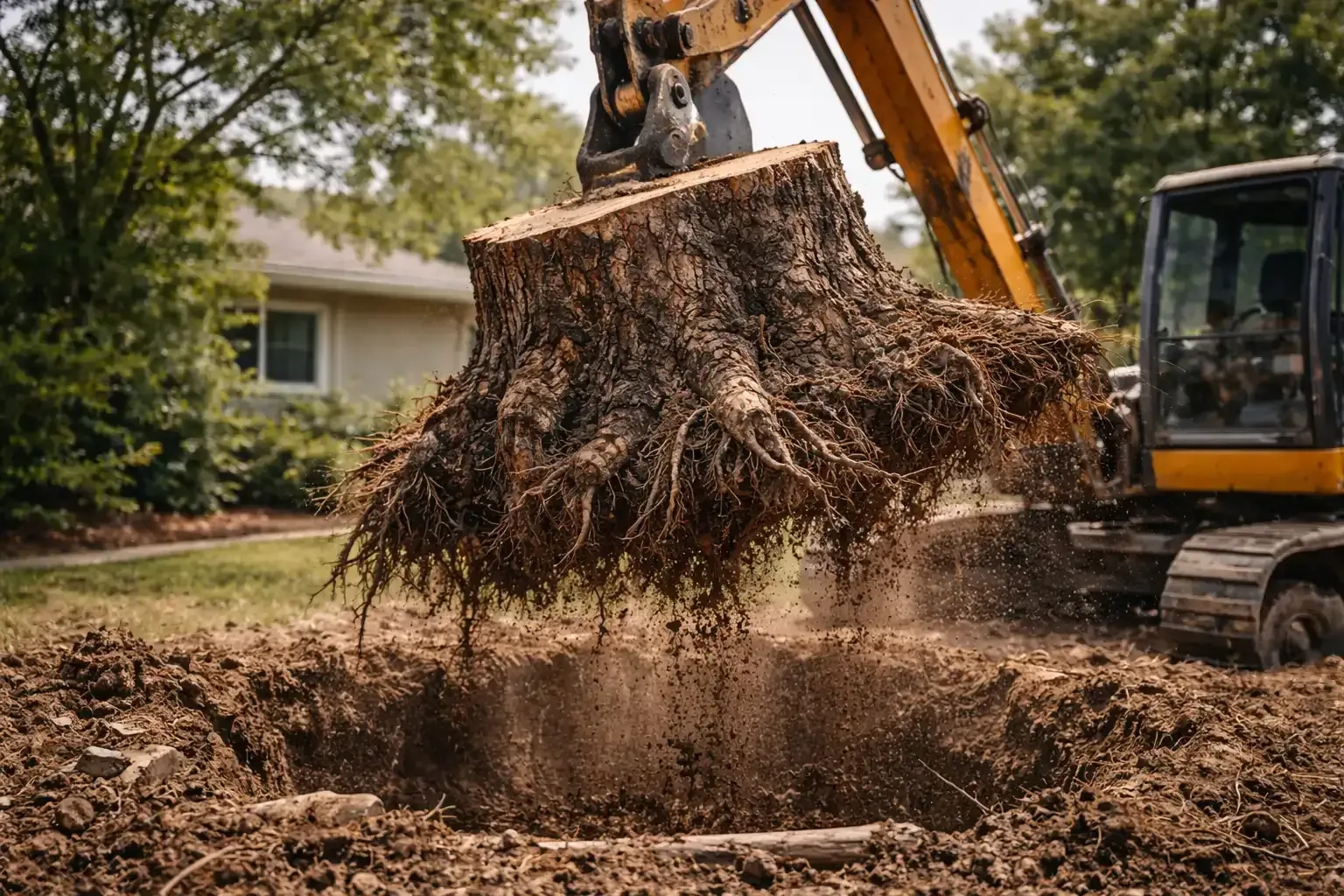
- Ask about grinding option stumps if a full removal is being recommended for a dead tree.
Aligning your expectations with the professional’s recommendations ensures you are happy with the final aesthetic. This conversation turns a standard maintenance task into a custom care plan for your outdoor living space.
Detailed Estimates and Documentation
At the end of the site visit, you should expect a clear, written breakdown of the recommended services and the associated costs. This document serves as a roadmap for the project and ensures there are no surprises when the final bill arrives.
- Verify that the estimate includes debris removal and site cleanup in the total price.
- Ensure the document clearly lists each tree by species or location to avoid confusion.
- Ask for a timeline of when the work can be scheduled and how long it will take to complete.
- Confirm that the service includes all necessary safety permits or neighborhood notifications.
Having everything in writing protects both the homeowner and the service provider. A professional estimate reflects the quality and care that will be put into the actual tree work.
Securing the Beauty and Value of Your Property
A comprehensive site inspection is the best insurance policy you can have for your home's exterior. By addressing potential hazards and health issues today, you are protecting your property value and the safety of everyone who walks beneath your branches.
Taking the time to walk your property with an expert ensures that no detail is overlooked and every tree gets the attention it deserves. Your landscape is a living investment, and a professional assessment is the key to watching that investment grow and flourish.