How Can You Use Pruning to Reclaim A View Without Removing The Entire Tree?
Grace Sloggett • May 25, 2026
The body content of your post goes here. To edit this text, click on it and delete this default text and start typing your own or paste your own from a different source.
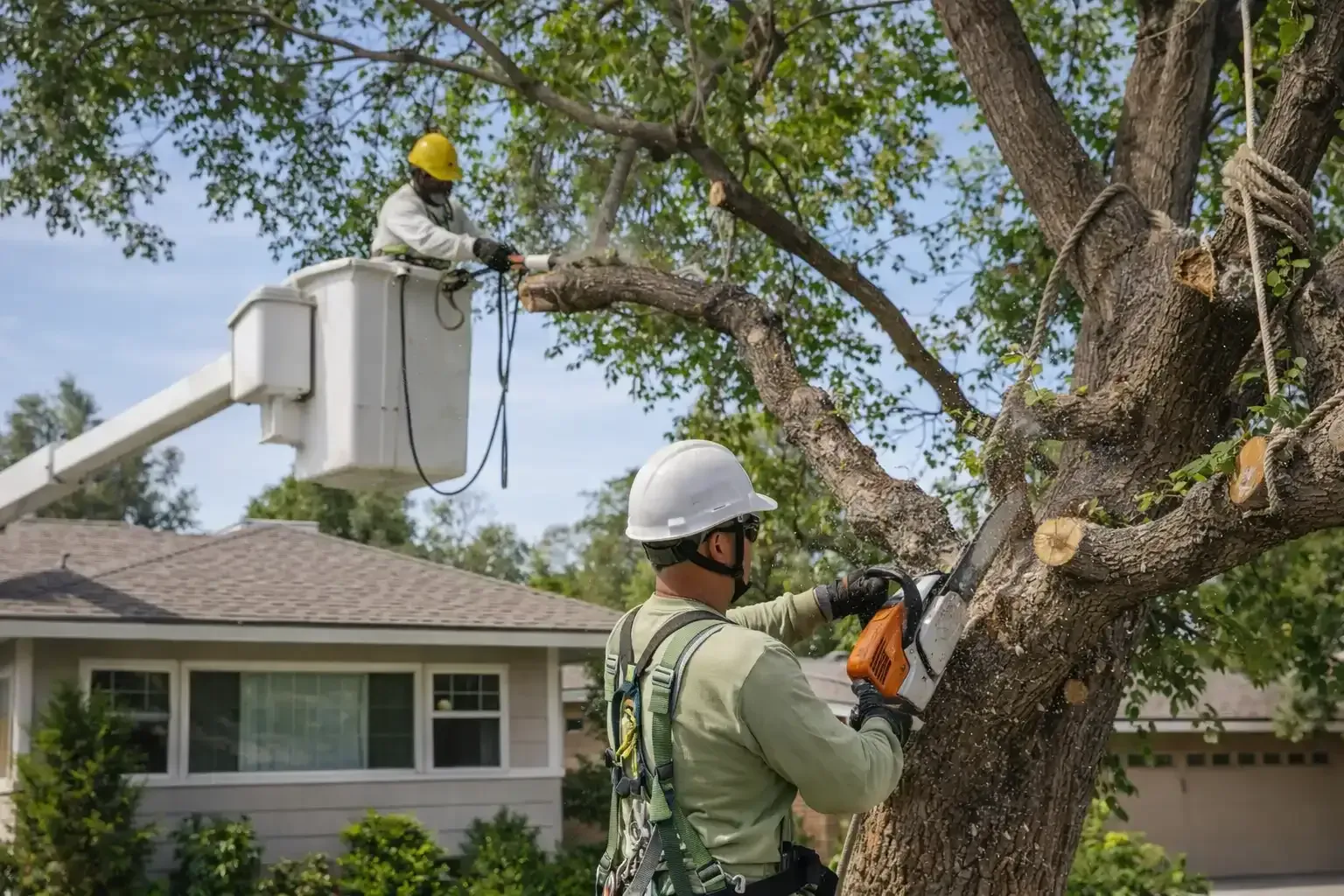
Don't wait for a storm to strike. Learn how regular tree trimming identifies hazards and protects your home from expensive structural damage.
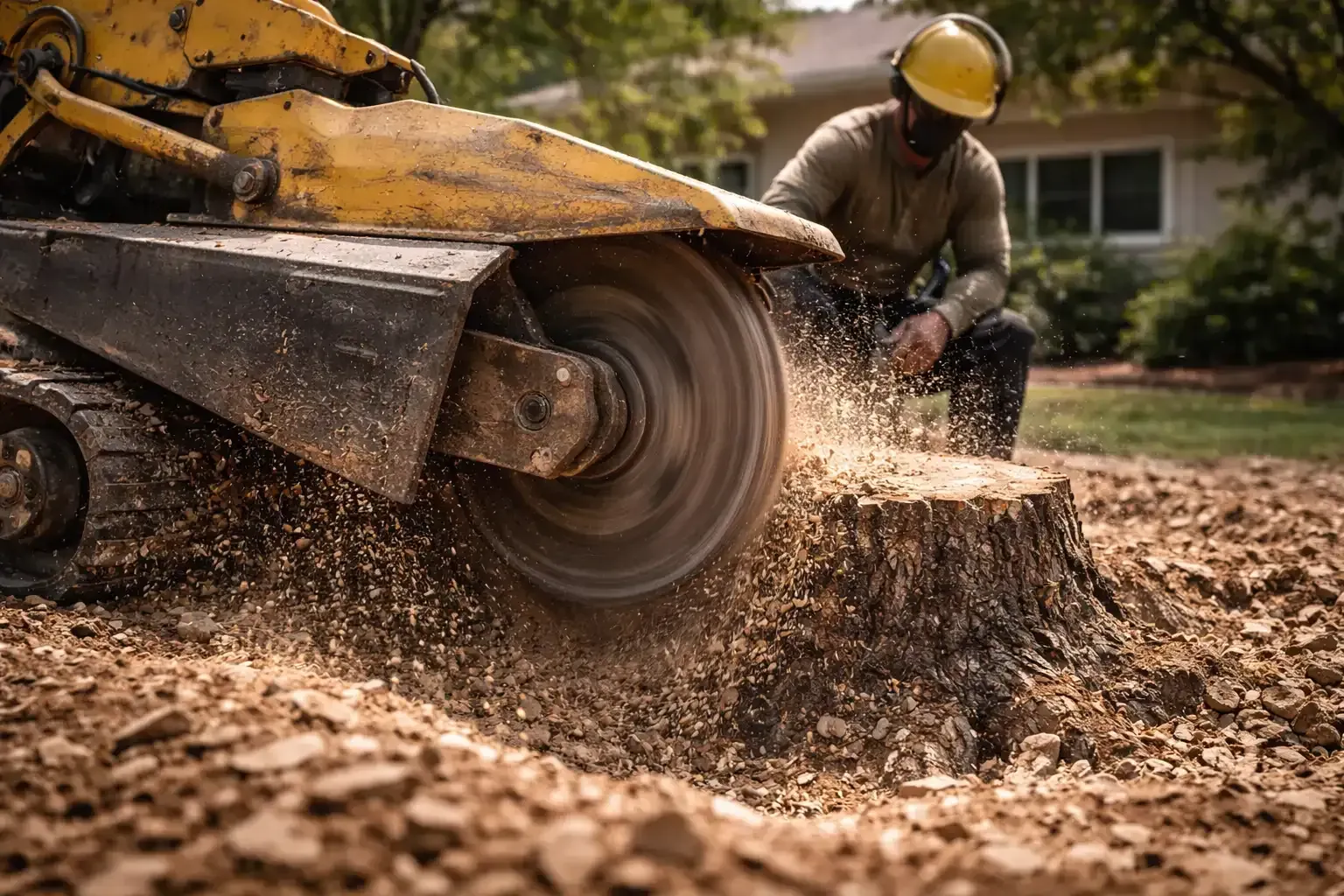
Stop the cycle of sprouts! Learn how thorough stump removal eliminates the root system to prevent stubborn "sucker" growth from ruining your lawn.
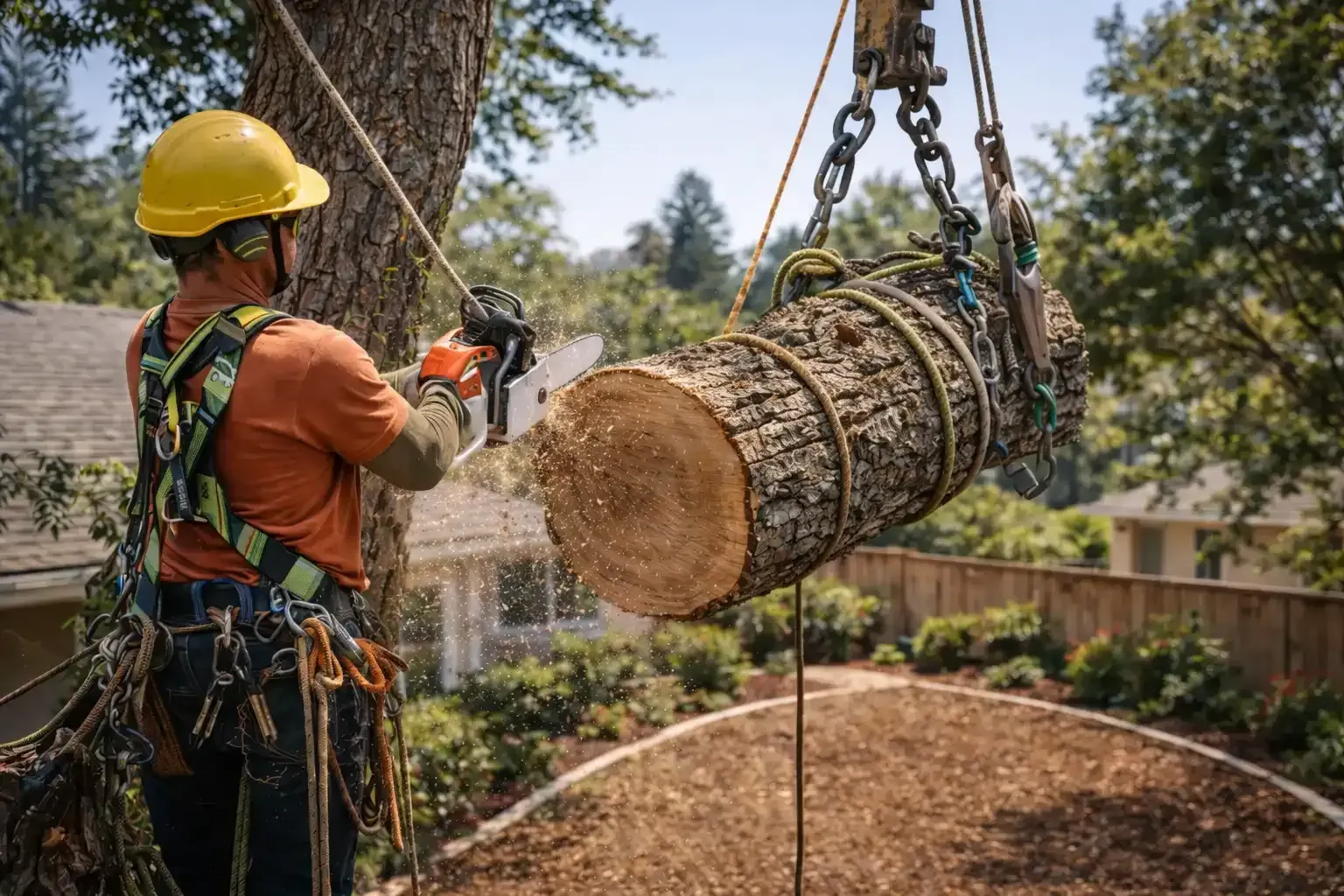
Beautiful trees mean a higher home value. See how professional shaping, health care, and maintenance can instantly boost your property’s curb appeal.
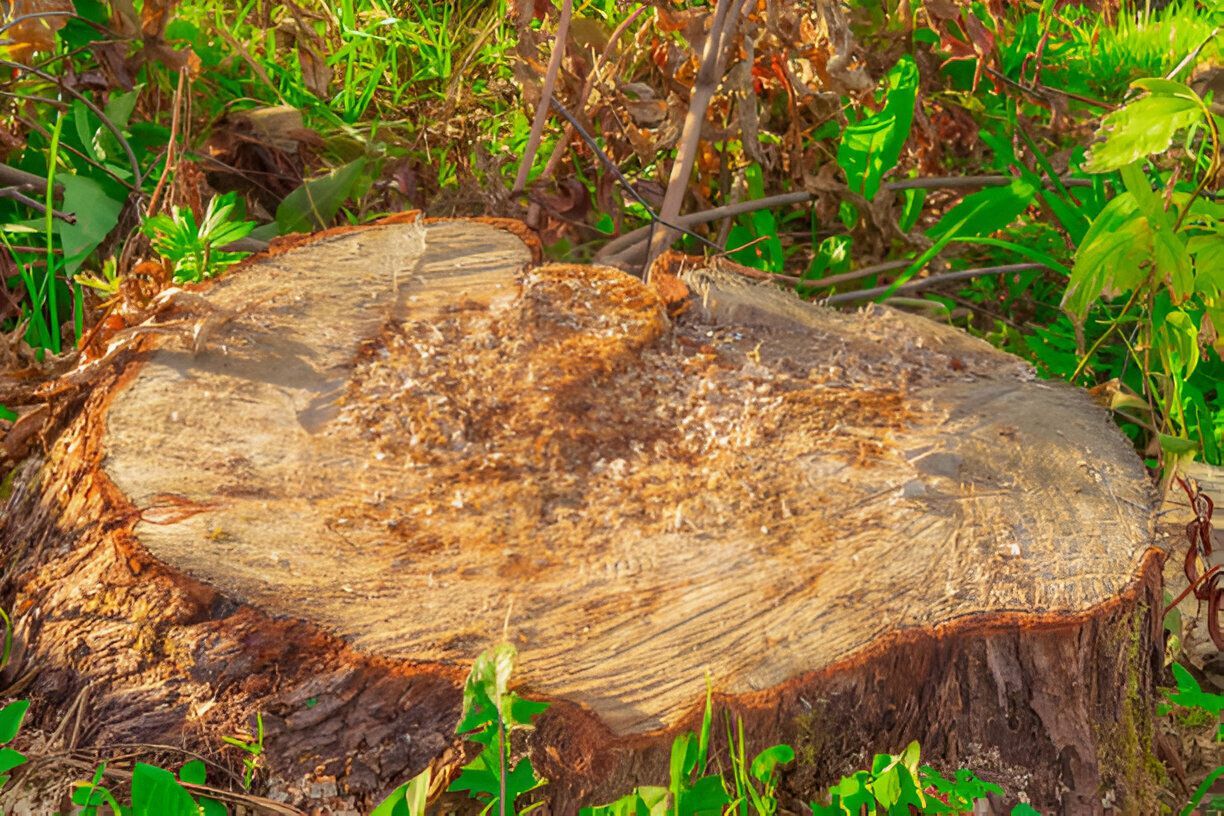
Planning a new tree? Discover why complete stump removal is essential for healthy root growth and preventing nutrient competition in your soil.
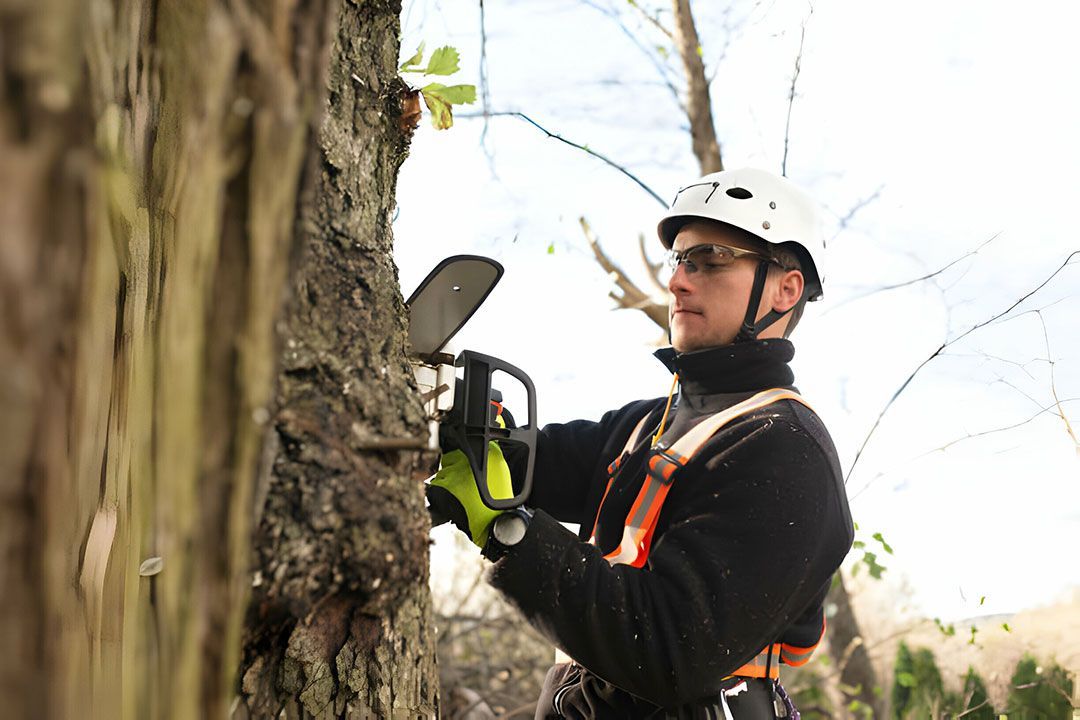
Removing a massive oak is high-stakes work. Find out why DIY attempts are dangerous and why professionals are the only safe choice for large tree removal.
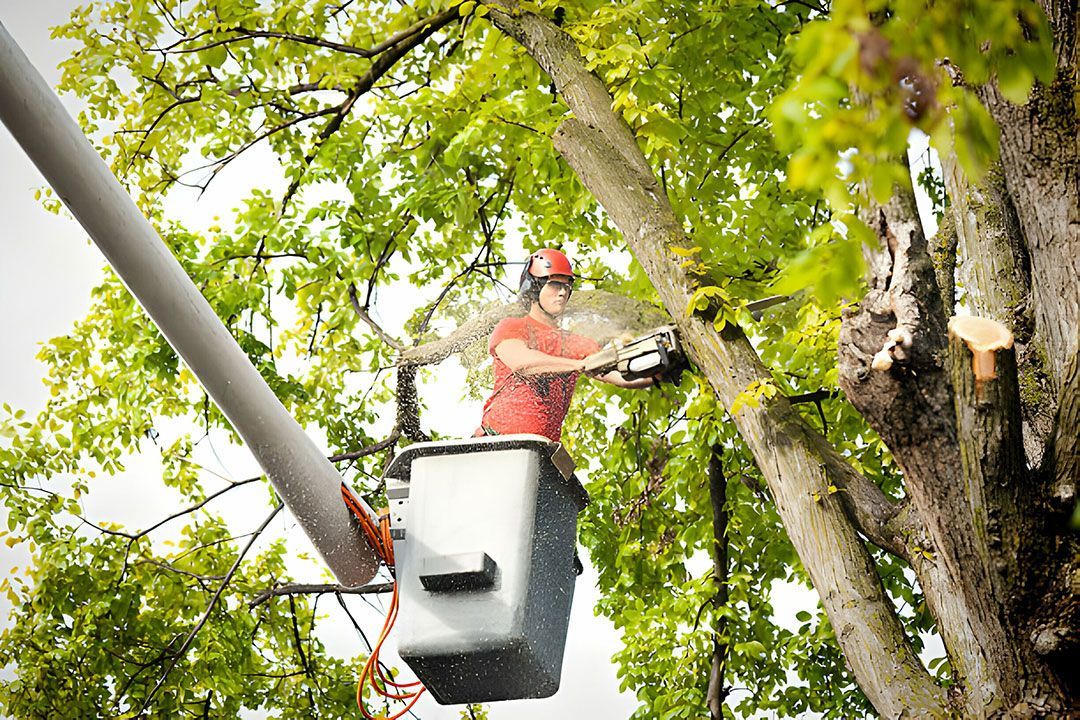
In tree care, rushing leads to accidents. Explore why professional crews prioritize rigorous safety protocols to protect your property and their team.
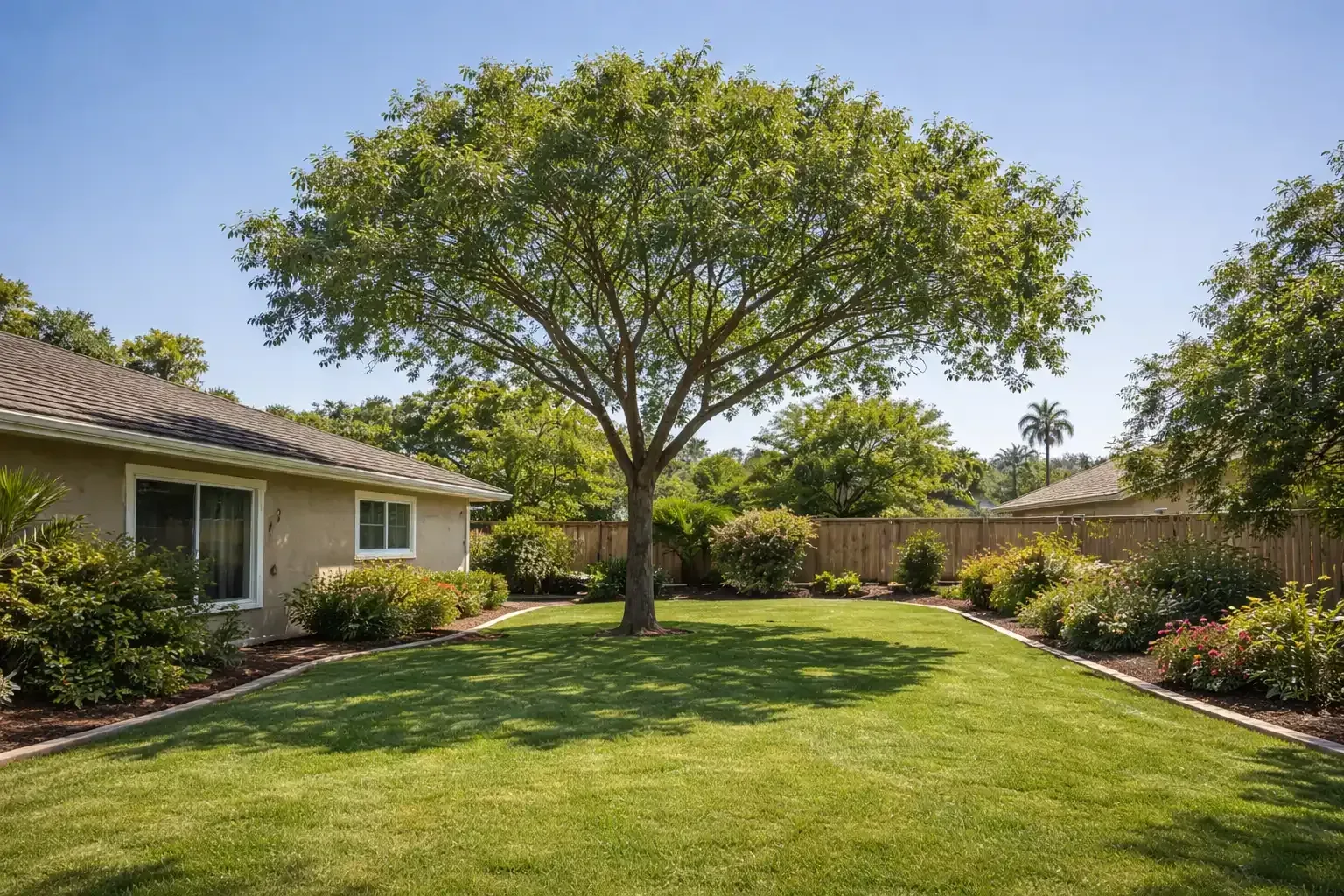
Prepare for your arborist visit. Learn what experts look for during a site inspection, from soil health to structural integrity and safety risks.
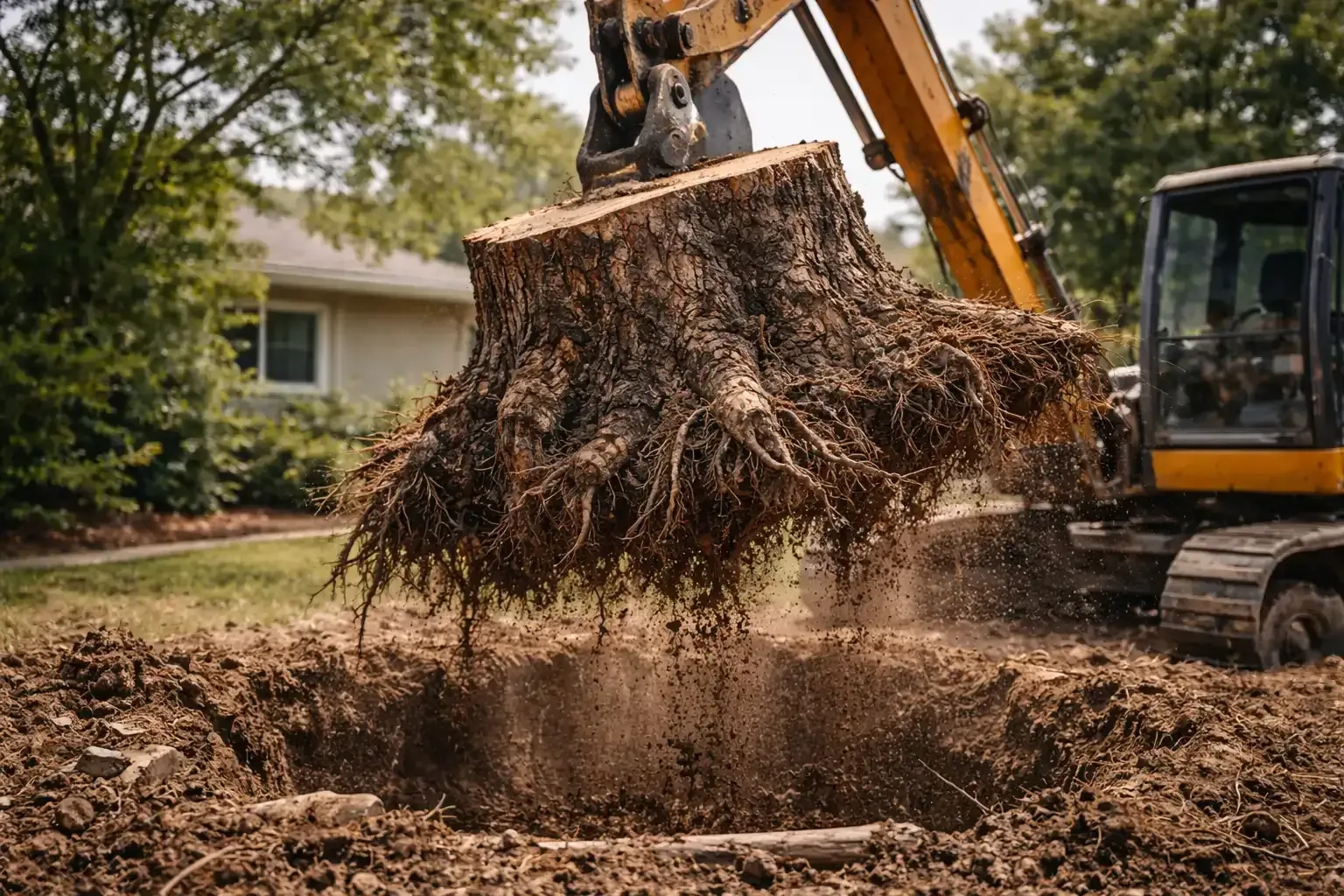
After a tree is felled, homeowners are often left with a stubborn reminder protruding from the lawn. Choosing the right method to handle this leftover wood is essential for maintaining a safe, navigable, and attractive yard. Leaving a stump behind can lead to unwanted pests, tripping hazards, or even new, weak growth from the roots. Understanding whether to grind the wood down or pull the entire system out will save you time and future landscaping headaches. The Mechanics of Stump Grinding Stump grinding involves using a heavy-duty machine with a high-speed rotating blade to shred the wood into small chips. This process focuses on the visible portion of the stump, typically taking it down several inches below the soil line. Ensure the area is clear of rocks and debris that could damage the grinder's teeth. Utilize the leftover wood chips as mulch for other garden beds or compost. Check for underground utility lines before the machine begins its work. Plan to fill the resulting hole with topsoil and grass seed once the grinding is complete. This method is highly efficient because it avoids large-scale excavation of your yard. It offers a quick way to reclaim your lawn space without a massive cleanup operation afterward. The Process of Complete Stump Removal Stump removal is a more invasive procedure that involves pulling the entire root ball out of the earth. This usually requires heavy machinery like a backhoe or excavator to ensure every major root is disconnected and lifted. Choose this option if you plan to plant a large new tree in the same spot. Prepare for a significant hole in your landscape that will require a large volume of fill dirt. Expect a higher cost due to the labor and specialized equipment needed for the haul-away. Confirm that your yard has enough clearance for heavy machinery to enter without damaging turf. While this approach is more intensive, it completely clears the underground space of any woody obstructions. It provides a truly blank canvas for your next major construction or gardening project . Comparing Costs and Time Investment Budget and schedule are often the deciding factors for homeowners when choosing between these two services. Grinding is generally the more affordable and faster option, while total removal is a significant investment in both time and money. Request an estimate based on the diameter of the stump and the wood species. Consider the cost of debris disposal, as removing a full root ball generates a lot of waste. Factor in the time needed for the soil to settle if you opt for full excavation. Look for packages that include both the cutting and the grinding to save on total expenses. For most residential needs, grinding provides the best balance of efficiency and visual results. It allows you to move on with your weekend chores without breaking the bank or ruining your grass. Pest Prevention and Decay One major reason to address a stump quickly is to prevent it from becoming a high-rise apartment for wood-destroying insects. Both methods address this issue, but they do so in different ways regarding the remaining underground biomass. Grind deeply to ensure the "heart" of the stump is destroyed, discouraging termite activity. Monitor the area for fungal growth or mushrooms, which are natural signs of wood decay. Treat the remaining root ends with a nitrogen-rich fertilizer to speed up natural decomposition. Remove the stump entirely if you have a known history of carpenter ant infestations on the property. Dealing with the stump promptly protects the health of your home and other nearby trees. Neglecting the wood can invite unwanted guests that eventually migrate toward your foundation. Future Planting and Landscaping Goals Your long-term vision for the property should dictate which path you take for stump management. If you only want a flat lawn, grinding is perfect, but structural changes might require the "root-and-all" approach. Opt for grinding if your goal is to lay sod or spread grass seed over the area. Select full removal if you are planning to install an underground sprinkler system or a fence. Avoid planting new trees directly on top of a ground stump for at least a year. Use the mulch from grinding to suppress weeds in your existing flower beds. Think two steps ahead before you make the final call on your landscaping. A little foresight today prevents you from hitting a buried root with a shovel three years down the road. Elevating Your Property's Curb Appeal Taking care of an unsightly stump is the finishing touch that transforms a messy yard into a professional landscape. Whether you choose the surgical precision of grinding or the total clearance of removal, you are making a vital investment in your home’s value. Eliminating these obstacles creates a safer environment for children to play and a smoother path for your lawnmower. By choosing the method that fits your specific goals, you ensure a beautiful, unobstructed outdoor space for years to come.
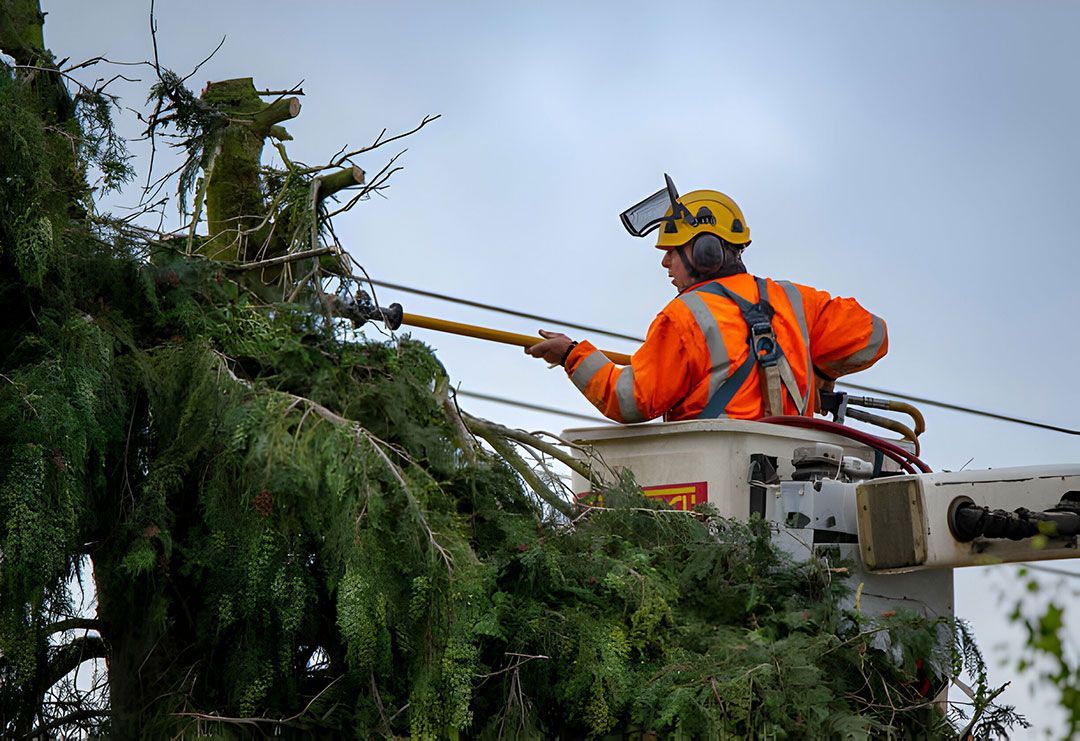
Confused by tree care terms? Discover the vital differences between trimming for aesthetics and pruning for health to keep your landscape thriving.