What Are The Key Differences Between Tree Trimming And Tree Pruning?
Maintaining a vibrant landscape requires more than just occasional watering and sunlight. Understanding the specific needs of your greenery ensures that your yard remains both beautiful and safe throughout the changing seasons.
While many homeowners use the terms interchangeably, tree trimming and tree pruning serve very different purposes. Distinguishing between these two practices is the first step toward professional-grade curb appeal and long-term plant health.
The Focus of Pruning for Plant Health
Pruning is primarily a health-focused practice designed to protect the tree from pests, decay, and structural failure. This process involves the strategic removal of "dead, damaged, or diseased" branches to prevent issues from spreading to the rest of the organism.
- Identify the "3 Ds" before you start cutting: dead, damaged, or diseased wood.
- Look for crossing branches that rub against one another, as these create open wounds for infection.
- Always use sanitized shears to prevent transferring bacteria from one plant to another.
- Focus on the interior of the canopy to increase airflow and sunlight penetration.
By prioritizing the biological integrity of the tree, you ensure it has the strength to withstand storms and heavy winds. Proper pruning acts as a preventative medicine for your forest friends.
The Aesthetic Goals of Tree Trimming
Trimming is largely centered around the outward appearance and "grooming" of the tree or shrub. This technique is used to maintain a specific shape, clear a view, or ensure that stray branches aren't touching the siding of your home.
- Determine the desired silhouette of the plant before making the first heading cut.
- Trim back overgrowth that interferes with walkways, power lines, or windows.
- Use hedge trimmers for uniform shaping on shrubs, but stick to manual loppers for trees.
- Focus on the perimeter of the plant rather than the internal structure.
Regular trimming keeps your property looking manicured and prevents a "wild" or neglected appearance. It is the architectural side of landscape maintenance that defines the boundaries of your outdoor space.
Essential Timing for Each Task
The timing of your cuts can be just as important as the technique itself. While pruning is often best done during the dormant winter season, trimming for shape can occur more frequently depending on the growth rate of the species.
- Prune most deciduous trees in late winter to encourage a burst of new growth in spring.
- Avoid heavy pruning in late fall, as new growth may not harden before the first frost.
- Trim flowering shrubs immediately after their blossoms fade to avoid cutting off next year’s buds.
- Perform light "maintenance trims" anytime a branch poses an immediate tripping or scratching hazard.
Knowing when to step in prevents unnecessary stress on the plant's vascular system. Respecting the natural growth cycle leads to more vibrant blooms and thicker foliage.
Tools of the Trade
Using the correct equipment is vital for making clean cuts that heal quickly. Using a dull blade or the wrong tool can crush the wood fibers, leaving the tree vulnerable to rot and infestation.
- Use hand pruners for small twigs and loppers for branches up to two inches thick.
- Employ a pruning saw for larger limbs where a bypass cutter cannot reach.
- Keep blades sharp to ensure a smooth surface that allows the tree to "callus" over properly.
- Invest in a pole pruner for higher branches to keep your feet safely on the ground.
High-quality tools make the job easier and much safer for the operator. A clean cut is the kindest thing you can do for a tree during the maintenance process.
Safety Considerations for Homeowners
Tree work can be inherently dangerous, especially when ladders or heavy limbs are involved. Recognizing your limits is a key part of responsible property management and personal safety.
- Never attempt to trim or prune branches that are within ten feet of a utility line.
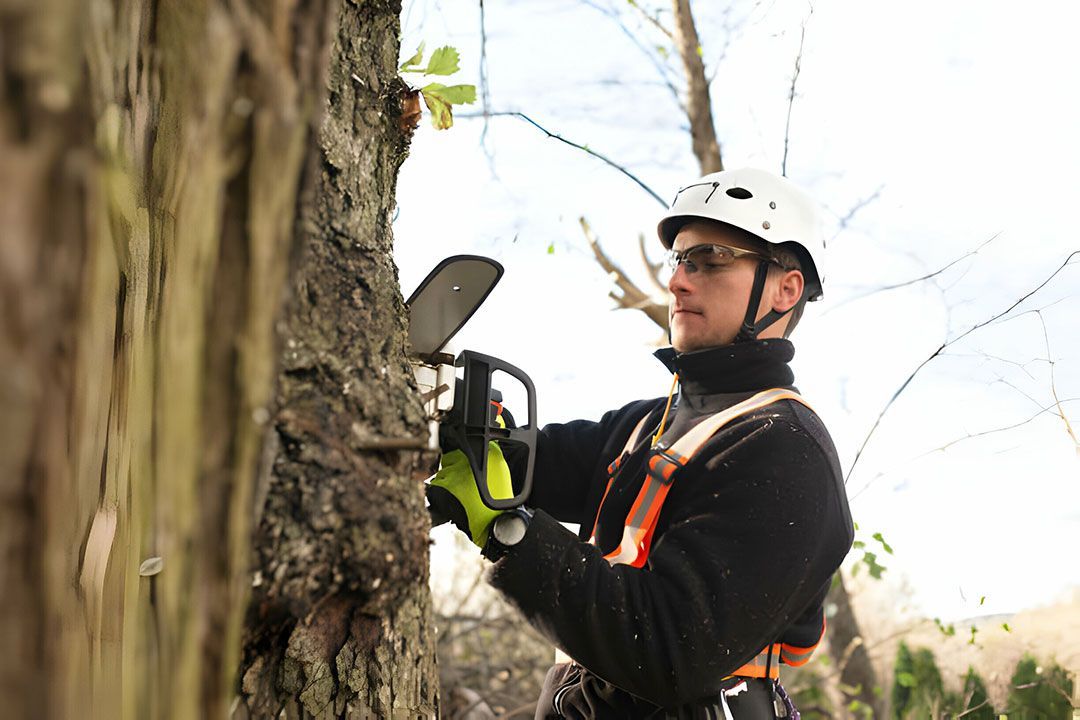
- Wear protective eyewear and gloves to shield yourself from falling debris and sharp thorns.
- Ensure your ladder is on stable, level ground and never overreach while cutting.
- Evaluate the "fall zone" to make sure branches won't land on fences, cars, or pets.
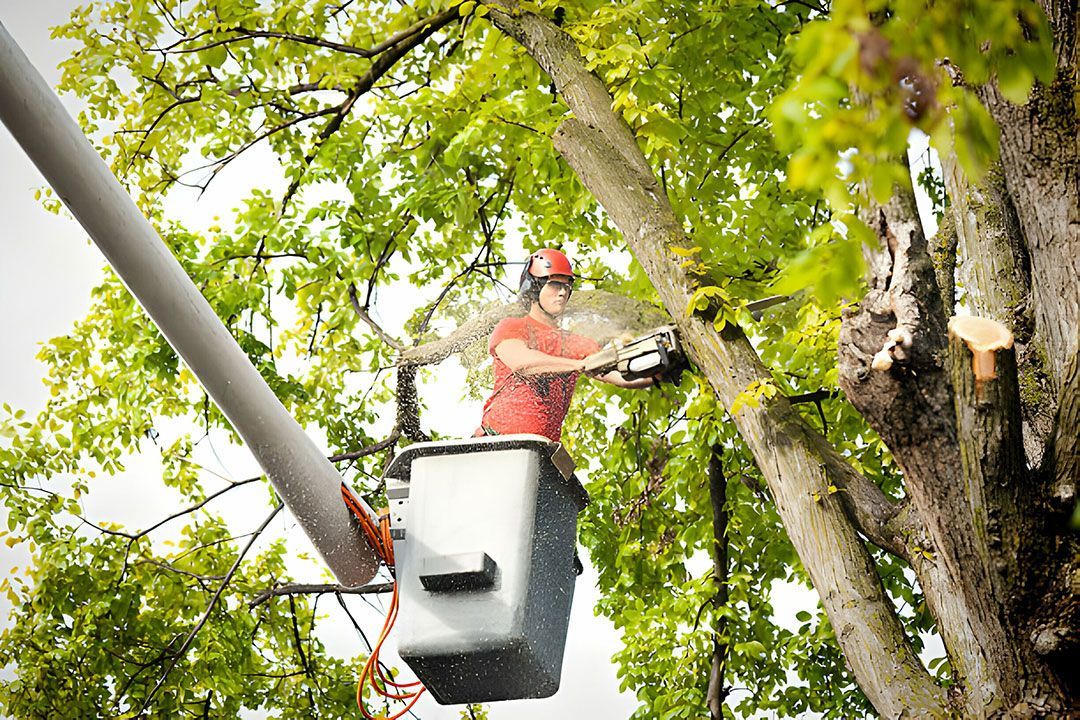
If a job requires a chainsaw while standing on a ladder, it is usually time to call in a professional. Staying safe ensures you can enjoy your beautiful landscape for years to come.
Investing in Your Landscape's Future
Mastering the balance between aesthetic trimming and structural pruning creates a backyard sanctuary that is both stunning and resilient. This proactive approach saves money on expensive removals and repairs by catching minor issues before they become hazards.
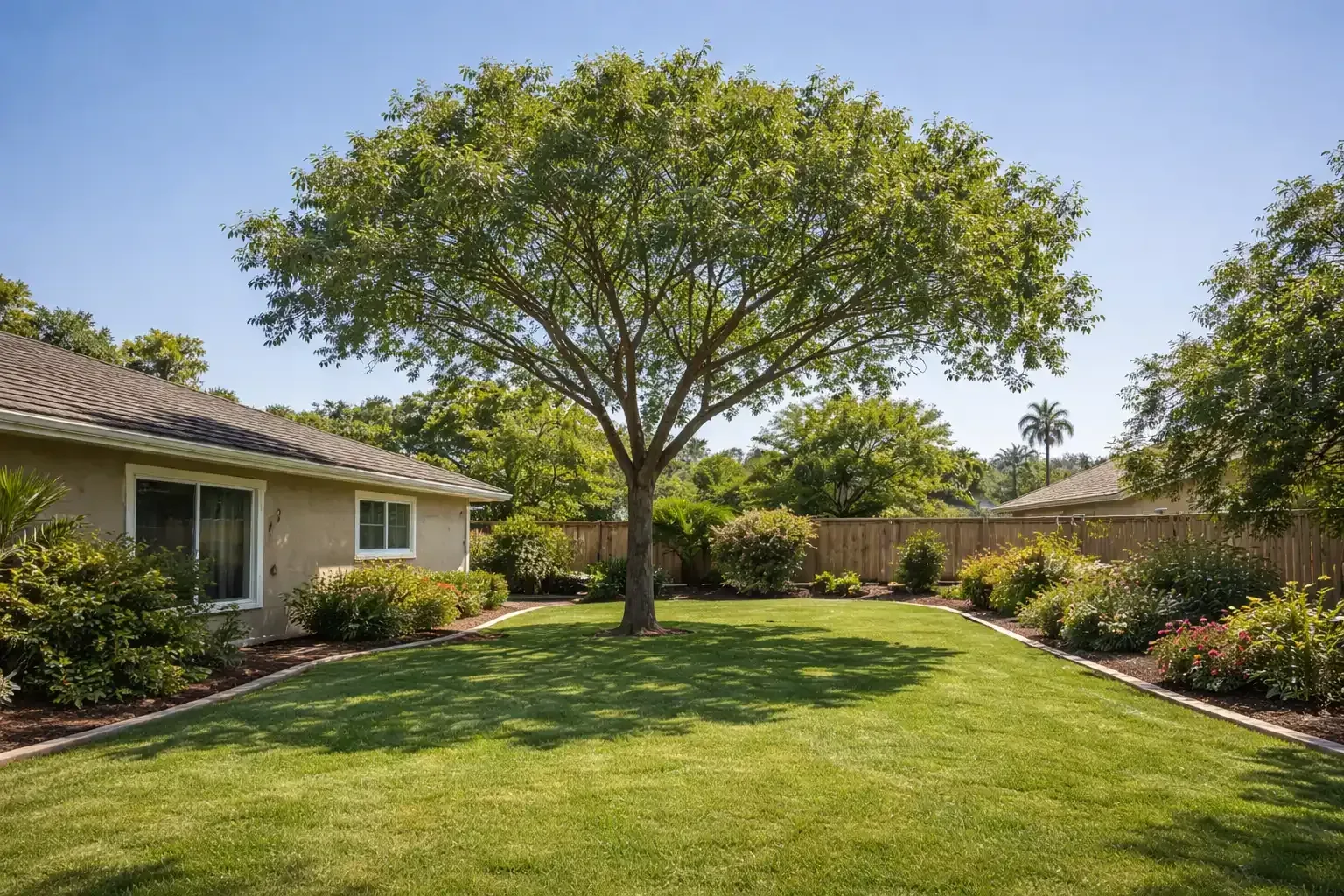
A well-maintained canopy increases property value and provides essential shade for your home during the hot summer months.